When selecting furniture materials for residential, commercial, or high-traffic spaces, two popular options stand out: solid surface (artificial stone) furniture and solid wood furniture. Each material brings distinct advantages in aesthetics, durability, maintenance, and functionality, catering to different design styles, usage scenarios, and lifestyle needs. This article breaks down the core differences between solid surface and solid wood furniture to help buyers and designers make informed choices.
What is Solid Surface Furniture?
Solid surface is a man-made composite material, typically composed of acrylic or polyester resins, natural mineral powders (such as aluminum hydroxide), and color pigments. It is engineered to mimic the look of natural stone while offering enhanced practical performance. Solid surface furniture includes dining tables, countertops, vanity units, reception desks, and custom cabinetry, widely used in modern kitchens, bathrooms, offices, and public spaces.
What is Solid Wood Furniture?
Solid wood furniture is crafted from natural, solid timber (such as oak, walnut, maple, pine, and teak) without composite or laminated base materials. It retains the natural texture, grain, and warmth of real wood, representing a classic, timeless choice for residential living rooms, bedrooms, and dining areas, valued for its natural beauty and traditional appeal.
1. Aesthetics & Design Flexibility
Solid Surface Furniture
Solid surface offers exceptional design versatility. It can be thermoformed into curved, rounded, or integrated seamless shapes, with uniform color and texture across every piece. The color palette is highly customizable, ranging from matte neutral tones to high-gloss stone-like finishes, matching minimalist, modern, and contemporary interior styles. Its seamless splicing capability eliminates gaps, creating sleek, integrated surfaces ideal for custom and streamlined designs.
However, solid surface lacks the unique, irregular natural grain and texture of real wood, presenting a more consistent, manufactured appearance that may feel less organic.
Solid Wood Furniture
Solid wood boasts unparalleled natural beauty: each piece has distinct wood grain, knots, and color variations, making every furniture item one-of-a-kind. It exudes a warm, tactile, and luxurious atmosphere, perfectly complementing rustic, vintage, traditional, and minimalist decor. Wood can be carved, sculpted, and finished with various stains and paints, adding intricate decorative details that solid surface cannot replicate.
Its design flexibility is limited compared to solid surface; natural wood is rigid and difficult to form into complex curved shapes, and large pieces may face splicing limitations due to wood stability constraints.
2. Durability & Stability
Solid Surface Furniture
Solid surface is non-porous, highly resistant to moisture, mold, and mildew, making it ideal for humid environments like bathrooms and kitchens. It is scratch-resistant, heat-resistant (to a moderate degree), and stain-proof; most daily spills (coffee, juice, oil) can be easily wiped away without penetrating the surface. Minor scratches and dents can be sanded and polished to restore the original finish, and the material does not warp, crack, or fade under normal temperature and humidity changes.
It has lower impact resistance than solid hardwood; strong collisions may cause chips, and direct contact with extremely high-temperature objects (such as hot cookware) can damage the surface.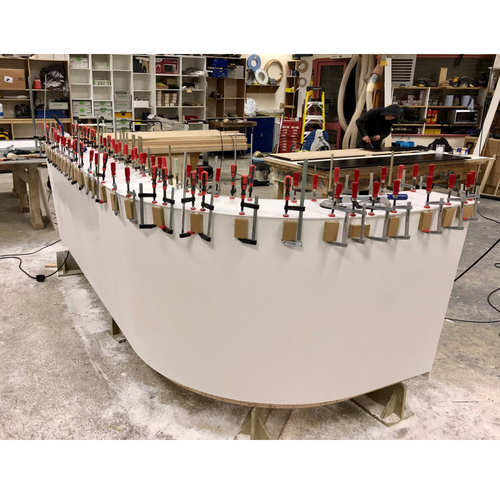
Solid Wood Furniture
High-quality solid hardwood furniture is extremely durable, with a lifespan of decades or even generations with proper care. Hardwoods like oak and walnut have high density and strong load-bearing capacity, resisting dents and daily wear. Well-constructed solid wood furniture features sturdy joinery (such as mortise and tenon) for long-term structural stability.
Natural wood is sensitive to environmental changes: prolonged exposure to moisture causes swelling, warping, or rotting, while dry conditions lead to cracking and shrinkage. It is prone to scratches, termite damage, and fading from direct sunlight, requiring strict environmental control to maintain stability.
3. Maintenance & Daily Care
Solid Surface Furniture
Solid surface furniture is low-maintenance and easy to clean. Daily care only requires wiping with a mild soap and water solution; no regular sealing, waxing, or special cleaners are needed. Stains do not penetrate the non-porous surface, and stubborn marks can be gently abraded away without leaving permanent damage. It requires no frequent upkeep, saving time and effort for busy households and commercial spaces.
Solid Wood Furniture
Solid wood demands regular, meticulous maintenance. It needs periodic waxing, oiling, or polishing to protect the finish and retain luster. Spills must be wiped immediately to prevent staining and water damage, and coasters, placemats, and protective pads are required to avoid scratches and heat marks. It must be kept away from direct sunlight, heaters, and damp areas to prevent deformation and deterioration, incurring higher long-term maintenance costs and effort.
4. Environmental Impact & Sustainability
Solid Surface Furniture
As a man-made material, solid surface reduces reliance on natural timber resources. Most high-quality solid surface products are non-toxic, low in volatile organic compounds (VOCs), and hygienic, suitable for sensitive environments like hospitals and nurseries. However, it is not biodegradable, and recycling options are limited compared to natural materials.
Solid Wood Furniture
Solid wood is a renewable resource if sourced from FSC-certified sustainable forests, making it eco-friendly and biodegradable. It has a lower carbon footprint than synthetic composite materials. Unsustainable logging, however, damages natural ecosystems; buyers must choose certified, responsibly sourced wood to ensure environmental friendliness.
5. Cost Considerations
Solid Surface Furniture
Solid surface furniture has a moderate to high upfront cost, depending on brand and quality, but offers long-term value due to its low maintenance, high durability, and long service life. Custom solid surface pieces are cost-effective compared to high-end natural stone furniture, with stable pricing and no fluctuations from raw material scarcity.
Solid Wood Furniture
Prices vary widely: softwoods (pine) are budget-friendly, while rare hardwoods (walnut, teak) are premium-priced, often more expensive than solid surface. High-quality solid wood furniture involves high raw material and craftsmanship costs. Additional long-term expenses include maintenance products and repairs for wear and deformation.
6. Ideal Usage Scenarios
Solid Surface Furniture
Best suited for high-moisture, high-traffic, and hygiene-focused spaces:
• Kitchen countertops, dining tables, and bathroom vanities
• Commercial spaces: office reception desks, hospital and hotel furniture
• Modern, minimalist interior designs
Solid Wood Furniture
Ideal for dry, low-traffic residential spaces prioritizing natural aesthetics:
• Living room cabinets, bedroom beds, and dining room sets
• Rustic, traditional, and warm, cozy home environments
• Heirloom-quality furniture for long-term family use
Conclusion
Choose solid surface furniture if you prioritize moisture resistance, low maintenance, seamless custom design, and practicality for busy or humid spaces. Choose solid wood furniture if you value natural texture, timeless warmth, long-term durability, and eco-friendliness, and are willing to commit to regular maintenance.
Ultimately, the choice depends on personal lifestyle, interior design style, budget, and usage environment—both materials deliver unique value, creating functional and stylish furniture tailored to different needs.
 Restaurant Hotel and Bar Worksurfaces-Why Choose Solid Surface Material
 The Corian Solid Surface Color From Onebest Furniture
How to Create A Corian Solid Surface Reception Desk for Your Medical Clinic/Dental and Hospital
The Corian Solid Surface Color From Onebest Furniture
How to Create A Corian Solid Surface Reception Desk for Your Medical Clinic/Dental and Hospital
 Materials Matter-For The Solid Surface Reception Desks' Shape

